A new study conducted by The River found that over half of university students have consumed drugs whilst studying at university. The survey, which was taken by just over 100 university students, found that marijuana (more informally known as weed) was the most popular drug of choice for students.
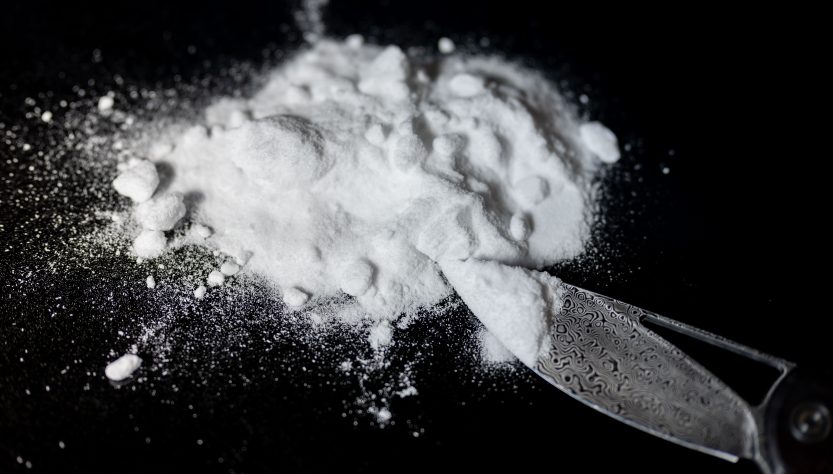
In addition to this, Kingston students are also dabbling in much heavier substances have been taken such as LSD, cocaine and MDMA. The survey found that just under a third of students had taken at least one of these substances. Those caught with any of the three class A drugs (the most dangerous), you can find yourself with up to seven years in prison, an unlimited fine or both.
Tis the season to be sniffing
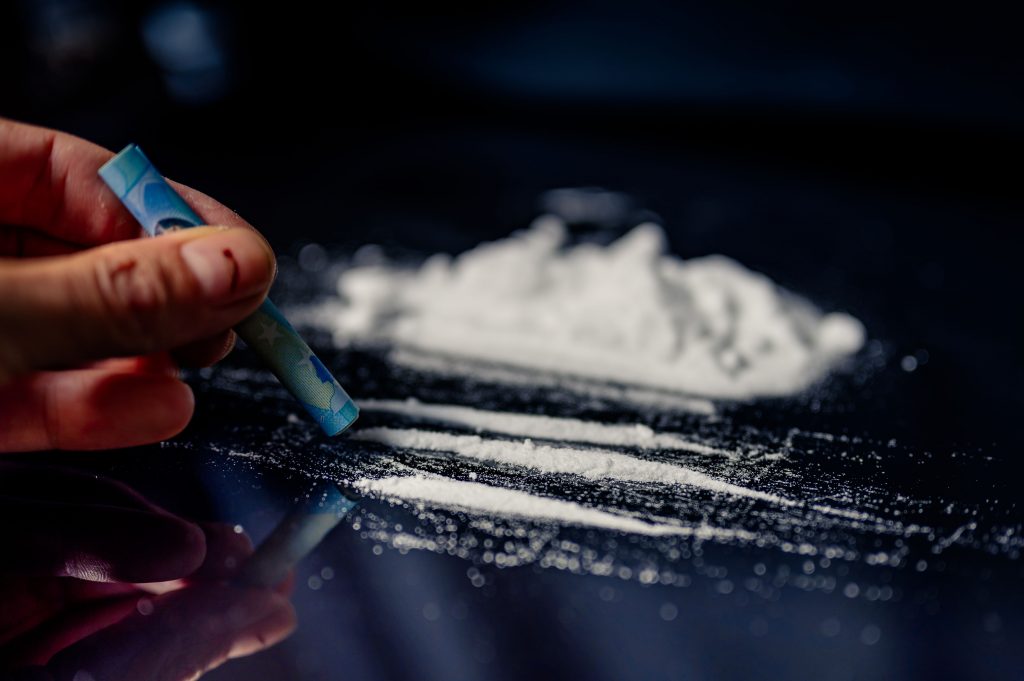
The Christmas buzz is only around the corner, and drugs are apparently the gift that keeps on giving for students. With little thought for their health or potential ramification of their degrees, Kingston students are taking a risk.
Third-year Kingston University student Chris Grayson, who we have given a pseudonym to protect his identity, is a regular drug user.
Grayson’s regular drug of choice is MDMA, sometimes referred to as ecstasy when it is taken in a pill form. he said. Grayson is usually enthused to take MDMA for its euphoric effect despite the potential side effects such as an increased heart rate and a raised body temperature. MDMA users have to be extremely careful and know their own limits, as taking too much of the drug can lead to an overdose which poses life-threatening risks. In severe cases, it can result in death. Despite the threats associated with MDMA, Grayson doesn’t hesitate in taking the drug.
“How could you not look forward to experiencing unconditional love for everyone and the happiest you can physically feel?”
Grayson, who met his dealer through friends, can buy one MDMA pill for £5 or 20 for a discounted price that he can share with his friends. He has also been offered £40 for half a gram of cocaine which he normally agrees to.
Grayson often attends raves where he would mainly take MDMA but sometimes takes cocaine at house parties. At raves, he claims to “have one or two MDMA pills just to calm the nerves” and then he will “re-dose safely during the night”. However, at an afters Grayson opts for cocaine mainly because it makes him “super sociable, and confident”.
After either of these drugs have been taken, Grayson struggles with the aftereffects, which can include challenges memorising things and blurry vision. “When we’ll be coming down I don’t feel too great but in my opinion, it was definitely worth it,” he said. For Grayson, the trade of is a “brilliant night” with many friends made along the way.
Consequently, Grayson knows the long-term implications drugs can have on his health such as increased risk of a serious condition called serotonin syndrome. He added: “If abused, it can badly affect your memory and make you very depressed or anxious.”

Taking drugs in the long-term can have serious affects, especially on young people. Third-year student paramedic, Chloe Frewin, has dealt with many students that have taken too many drugs.
“I have noticed a huge problem within drug misuse amongst young people, and they have a huge effect on brain development as well as health complications,” she said.
There is also an interesting relationship forming between drug and alcohol consumption. “Young individuals believe that drugs are a cheap option to alcohol and it is a lot more common to be under the influence of drugs,” Frewin said. According to the Office for National Statistics, in 2024 drug usage was higher amongst individuals aged 16 to 24 years, with 16.5% reporting any usage. However, according to Drinkaware, young adults have the highest rates of non-drinking, rising from 14 per cent in 2017 to 21 per cent in 2023.
Drinking amongst student’s is at an all-time low and drugs could be a cheaper alternative either for the price or for the effect. Harry Shapiro, director of DrugWise, said: “Drugs are cheap and alcohol prices are going up, there’s a section of the going-out population who will choose ketamine (and potentially other substances) over booze.”
In relation to Grayson’s experiences as a student, one MDMA pill would only cost him £5 and the high he gets would last all night. In London, students can find themselves spending over £10 for one drink, and the ‘drunk’ effect takes longer to kick in. NHS digital found that from 2013 to 2023, “alcohol prices have increased by 23%”.
Kingston University don’t have a specific drug policy. However, in their student code of conduct the university states students must “live and work within the boundaries of UK criminal and civil law, in particular, those relating to violent behaviour, drug offences, indecency, theft and fraud”. However, the Misuse of Drugs Act 1971 does not require universities to adopt a zero-tolerance approach or place a duty on them to report possession.
If you have any problems with drug misuse, you can call the Frank drugs helpline on 0300 123 6600.
